
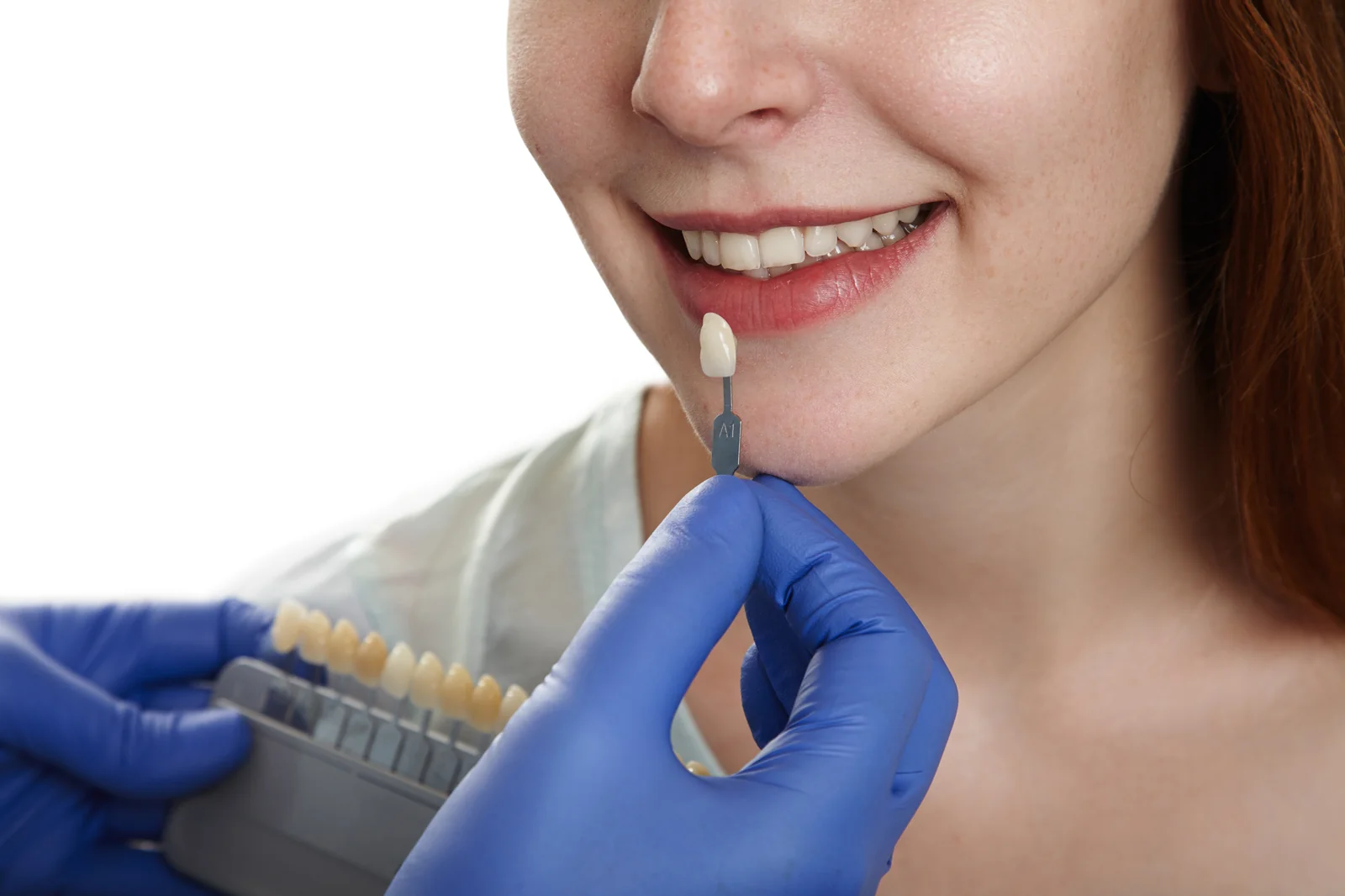
A dental crown is basically a custom porcelain cap that sits completely over a damaged or decayed tooth and brings back its size, shape, and strength. That's the simple version. What it actually looks like day-to-day, though, that part's different for everybody who walks through our door.
Some people have been chewing only on one side for months. Others quietly crossed certain foods off their list; crunchy stuff, anything chewy, and just got used to it. A few are smiling with their mouths closed in photos and don't even realize they started doing that. That stuff matters, and it adds up faster than people expect.
We see this constantly at Revive Family Dental, and the good news is that well-placed dental crowns in Gaithersburg, MD, fix it. Pretty completely.
So, When Does a Tooth Actually Need One?
There's a point where a filling stops being the right answer. When decay has wiped out more than half the tooth, the walls left behind are just too thin. More composite material buys some time, but not much.
Eventually, something gives under the pressure of normal chewing. A crown covers the whole tooth rather than just patching a section of it.
Here are the situations where we most commonly recommend dental crowns near you:
● After a root canal: Once the nerve is gone, the tooth dries out and gets brittle. Full coverage keeps it from splitting.
● Severe wear from grinding: Years of clenching flatten the bite. Crowns can bring that height back and protect what's still there.
● Very large cavities: When decay has taken out so much that there's genuinely not enough tooth left for bonding to hold. It'll fail, and usually sooner than you'd want.
● Cosmetic corrections: Sometimes, one tooth is just permanently off. Discolored, oddly shaped, sitting a little crooked next to everything else. A cap brings it in line with the rest.
● Anchoring a bridge: When there's a gap where a tooth used to be, the crowns on either side are what keep the replacement tooth sitting where it should.
Our dentist in Gaithersburg, MD, uses digital imaging at every consultation, so we're never guessing. We show patients exactly what's happening with their teeth before recommending anything.
Why It Actually Matters for Your Whole Mouth
Here's what people don't always think about. Leaving a cracked or heavily damaged tooth alone doesn't just hurt that one tooth. Bacteria work their way down. They reach the nerve.
Left alone long enough, what started as something manageable becomes a serious infection. At that point, we're talking about emergency treatment, sometimes extraction. It escalates faster than most people expect.
Dr. Sameea Mahmud and Dr. Haseeb Noor uses top-quality porcelain and ceramic material, which not only resembles the look of natural tooth enamel but also its translucence, color, and proximity to adjacent teeth as well, all of it done through exact measurements, not estimates.
We take our time getting the color and shape of dental crowns in Gaithersburg, MD, right because the entire point is that it shouldn't be noticeable. People should be commenting on your smile, not clocking your dental work.
What the Dental Crown Process Actually Looks Like
It takes two visits to a dentist near you. Here's roughly what happens.
● First appointment: We numb the area fully before touching anything. Then we clear out any decay and gently reshape the tooth so the crown sits over it properly. Digital impressions go off to our dental lab from there.
● Second appointment: A couple of weeks later, the permanent crown comes back from the lab, and we sit it. We check the fit against your bite carefully before cementing anything. Once the fit checks out against your bite, we cement it in permanently. And that really is it.
People come to our dentist in Gaithersburg, MD, braced for something difficult and usually leave a little caught off guard by how manageable it was. Numbing has gotten genuinely good, and the steps themselves are pretty routine for our team at this point. Most of the stress patients carry in doesn't end up being necessary.
Taking Care of Dental Crowns It Afterward
Dental crowns near you themselves can't get cavities, but the natural tooth structure still exposed along the gumline absolutely can. So maintenance matters.
● Brush twice a day with a soft-bristle brush and floss every day, too. Food and plaque collect in those margins.
● Stop chewing on hard things like ice or pen caps. The same goes for using your teeth to open packaging.
● Keep up with your regular cleanings, too. We check those margins every visit, which means if something's shifting or wearing, we catch it before it becomes an actual problem.
Nothing complicated. Just consistent habits.
Ready to Talk About Dental Crowns?
That chipped tooth you’ve ignored? Or maybe that filling acting up again? Even if it’s just a small thing bothering you more than it ought to, drop by. We’ll check what’s going on. Families across Gaithersburg, Maryland, know our dentist near you by name. Our practice leans away from treating checkups like routine exchanges.
New patients get a $150 special to get started. We take most dental insurance plans, and if something comes up suddenly, we keep same-day slots open for exactly that.
Call 202-519-6753 or book through the portal online. We'll look at what's going on, tell you what we actually think, and figure out the next steps from there.
Frequently Asked Questions
Q. How long does a dental crown last?
With good oral hygiene and regular dental checkups, a porcelain dental crown can last 10 to 15 years or longer. Avoiding habits like chewing ice or grinding your teeth can help extend its lifespan.
Q. Does getting a dental crown hurt?
No. The tooth is thoroughly numbed before treatment begins, making the procedure comfortable for most patients. Some mild sensitivity afterward is normal, but it typically resolves within a few days.
Q. How do I know if I need a dental crown instead of a filling?
If a tooth has extensive decay, a large fracture, significant wear, or has undergone root canal treatment, a crown may provide better protection and durability than a traditional filling.

BOOK AN APPOINTMENT NOW!
Take the first step toward a brighter smile! Book your appointment online for quick, convenient access to our friendly, expert care.
Book Online